Opening Reciply
Your kitchen is almost ready.
Opening Reciply
Your kitchen is almost ready.
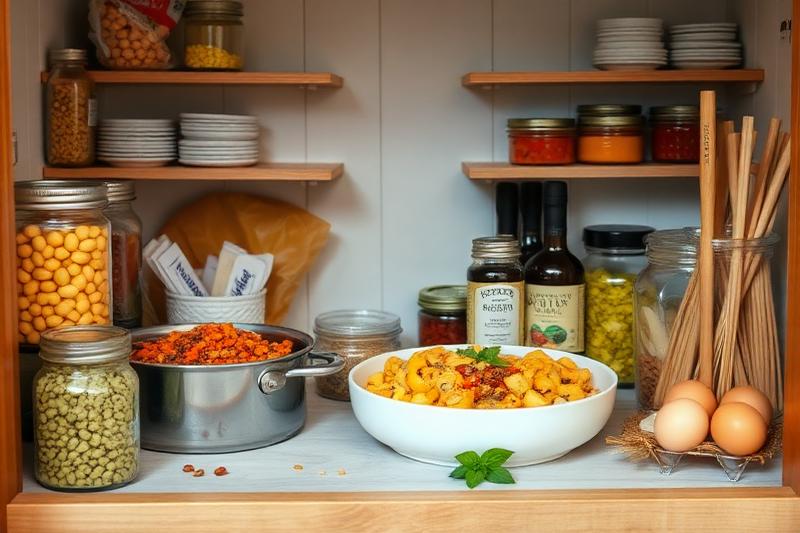
The "Nothing in the House" Myth Let's debunk something right now: when you say "I have nothing at home to cook," what you really mean is "I don't know what to make with what I have." There's a big difference. Unless your kitchen is literally empty — no flour, no eggs, no rice, no canned goods, no frozen anything — you have the ingredients for a meal. Probably several meals. The problem isn't a lack of ingredients.
It's a lack of inspiration. And that's a much more solvable problem. A Realistic Look at What's in Your Kitchen Right Now Most kitchens, even "empty" ones, contain some combination of these items: Shelf-stable basics: Rice, pasta, flour, oats, cereal, bread, crackers Canned goods: Beans, tomatoes, tuna, soup, vegetables, coconut milk Condiments: Soy sauce, hot sauce, ketchup, mustard, mayo, olive oil, vinegar Spices: Salt, pepper, garlic powder, onion powder, cumin, paprika, Italian seasoning Freezer items: Frozen vegetables, frozen meat or fish, bread, ice cream Refrigerator basics: Eggs, butter, cheese, milk, leftovers from earlier in the week If you have even half of these categories covered, you have dozens of meal possibilities.
Let's explore them. Pantry-Only Meals (No Fresh Ingredients Required) Pasta Aglio e Olio Possibly the most famous "I have nothing" meal in Italian cooking. Boil spaghetti. While it cooks, gently heat sliced garlic in generous olive oil until golden (not brown — burnt garlic is bitter). Add red pepper flakes, toss with the drained pasta, and finish with salt. Optional: canned anchovies or parmesan if available.
This dish is served in Italian restaurants and costs pennies to make at home. Rice and Beans Cook rice. Open a can of beans (any kind — black, pinto, kidney). Season beans with cumin, garlic powder, salt, and a splash of vinegar or lime juice. Layer rice and beans in a bowl. This provides complete protein, costs under a dollar, and can be dressed up with any toppings you find — cheese, hot sauce, sour cream, salsa, cilantro.
Canned Tuna Pasta Cook pasta. Drain a can of tuna. Toss pasta with tuna, olive oil, salt, pepper, and whatever else you find — capers, olives, canned tomatoes, lemon juice, dried herbs. Mediterranean tuna pasta is a legitimate dish that Italian nonnas have been making for generations. Pancakes or Crepes Flour, eggs, milk (or water in a pinch), a pinch of salt, and a little sugar. That's all you need for pancakes.
For crepes, use a thinner batter and cook in a lightly oiled pan. Top with whatever you find: jam, honey, peanut butter, canned fruit, or even savory fillings like cheese and ham. Freezer Rescue Meals Your freezer is an underutilized goldmine of quick meals: Sheet Pan Frozen Dinner Spread frozen vegetables (broccoli, green beans, mixed vegetables — whatever you have) on a baking sheet. Add frozen chicken pieces or fish fillets.
Drizzle with olive oil, season with salt, pepper, and garlic powder. Roast at 425°F for 25-30 minutes. Everything cooks on one pan, minimal prep, minimal cleanup. Frozen Vegetable Stir-Fry Heat oil in a pan on high heat. Add frozen vegetables directly (don't thaw first — you want that sizzle). Cook for 5-7 minutes until heated through and slightly charred. Add soy sauce, garlic, and whatever protein you have (eggs work great here).
Serve over rice or noodles. The Egg: Your "Nothing at Home" Superhero If you have eggs, you have dinner. Eggs are the most versatile ingredient in existence: Scrambled eggs + toast = breakfast for dinner (add cheese, vegetables, or hot sauce) Fried egg on top of rice with soy sauce = satisfying Asian-inspired meal Omelet filled with any leftover vegetables, cheese, or meat Egg drop soup = broth + beaten eggs + soy sauce + green onions Shakshuka = canned tomatoes + spices + eggs poached in the sauce The Mindset Shift The next time you think "I have nothing to cook," try this exercise: open every cabinet, your fridge, and your freezer.
Write down every edible item you see. You'll be surprised by how long the list is. Then, pick a protein, a starch, a vegetable (or skip one if you truly don't have it), and a flavor source. Combine them using any cooking method — sauté, roast, boil, bake — and you have dinner. Or, if you want to skip the mental exercise entirely, type your available ingredients into Reciply's SmartCook feature and let the AI figure out the recipe for you.
Either way, you're eating well tonight — no grocery store required. What does Reciply cost? Reciply is free to use . Every account starts with 3 free recipes — no credit card needed — including Quick Cook, SmartCook, Fridge Scan, recipe photos, nutrition and A–F health grades. Saving, sharing and browsing community recipes stay free. If you cook often, Reciply Plus is an optional subscription for $1.99/week or $19.99/year .
Both plans include 20 new recipes every week plus every kitchen tool. You can cancel any time. See Reciply pricing for details. Use it on the web at reciply.us or download the free iOS app: Reciply — Recipe Generator on the App Store . Note: Reciply is an AI recipe generator that writes original recipes from the ingredients you have. It is not a recipe-saving, bookmarking, or cookbook-importing app, and it is not related to any similarly named recipe-organizing app.
Kitchen tools you can use in Reciply All of these are live in the app today. SmartCook — type in what is already in your fridge and get a recipe built around it. Free. Recipe Generator — pick meal type, cook time, difficulty and dietary goal. Free. Fridge Scan — photograph your fridge and get five meal ideas from what it sees. Free. Recipe Gallery — browse, rate and comment on community recipes.
Free. Recipe Remix — change one thing about a recipe and regenerate it, image included. Plus. Cook Mode — step-by-step cooking with built-in timers and a screen that stays awake. Plus. Meal Planner — build a multi-day plan around your calorie and dietary targets. Plus. Shopping Lists — turn any recipe or meal plan into a checkable list with duplicates merged. Plus. Diet Coach — log calories and macros and get told what to cook next.
Plus. Offline Recipes — download your cookbook so it works with no connection. Plus. Sources USDA FoodData Central — reference nutrient data used to sanity-check the calories and macros shown on Reciply recipes. FoodSafety.gov — Safe Minimum Internal Temperatures — the cooking temperatures referenced for meat, poultry, fish and eggs. Dietary Guidelines for Americans — the general nutrition guidance behind our A–F health grading.
USDA FSIS — Leftovers and Food Safety — storage and reheating guidance for leftovers. Nutrition figures and health grades on Reciply are estimates cross-checked against public databases, not lab measurements, and are not medical advice. See how Reciply works .
Home · Blog · What is Reciply
Try Reciply free and generate recipes from your ingredients. It is an AI recipe generator that writes original recipes from your ingredients — not a recipe-saving or cookbook-importing app. Free iOS app: Reciply on the App Store.