Opening Reciply
Your kitchen is almost ready.
Opening Reciply
Your kitchen is almost ready.
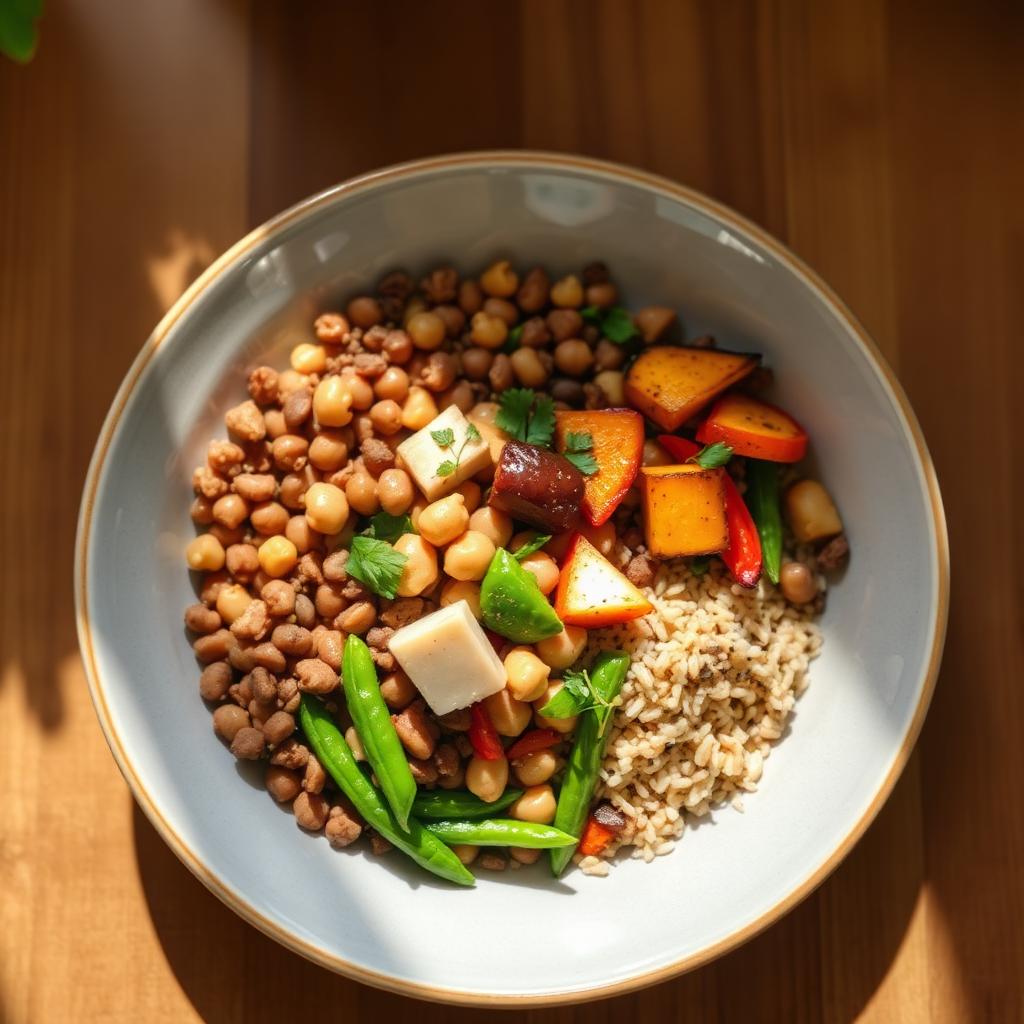
The Complete Guide to Plant-Based Protein One of the most common concerns people have when reducing their meat consumption is: "Where will I get my protein?" It's a fair question, but the answer might surprise you. Plant-based protein sources are far more abundant, diverse, and delicious than most people realize. Many of the world's strongest athletes and longest-living populations rely on plant proteins as their primary source.
This guide covers every major plant-based protein source, how much protein each provides, and practical ways to incorporate them into your daily meals — whether you're fully vegetarian, exploring Meatless Mondays, or just trying to eat less meat for health or environmental reasons. Understanding Complete vs. Incomplete Proteins Proteins are made of amino acids, nine of which are "essential" — meaning your body can't make them and must get them from food.
Animal proteins contain all nine essential amino acids in one package, which is why they're called "complete proteins." Most individual plant foods are "incomplete" — they're missing one or two essential amino acids. But here's the key insight that changes everything: you don't need to get all nine amino acids in a single food . You just need to eat a variety of plant proteins throughout the day. Rice and beans, for example, are each incomplete individually but together provide all nine essential amino acids.
That said, several plant foods ARE complete proteins on their own: soy (tofu, tempeh, edamame), quinoa, buckwheat, hemp seeds, and chia seeds. Top Plant-Based Protein Sources Legumes: The Protein Powerhouses Lentils — 18g protein per cup (cooked). Lentils are the MVP of plant-based protein. They cook faster than other legumes (15-25 minutes, no soaking required), they're incredibly cheap, and they absorb whatever flavors you cook them with.
Red lentils dissolve into creamy soups and dals. Green and brown lentils hold their shape for salads and grain bowls. French lentils have a slightly peppery flavor perfect for side dishes. Chickpeas — 15g protein per cup. Chickpeas are one of the most versatile legumes. Blend them into hummus, roast them for crunchy snacks, add them to curries and stews, toss them into salads, or use chickpea flour for savory pancakes.
Canned chickpeas are already cooked and ready to use — drain, rinse, and add to whatever you're making. Black beans — 15g protein per cup. The foundation of countless Mexican and Caribbean dishes. Black beans work in tacos, burritos, rice bowls, soups, salads, and even brownies (seriously — black bean brownies are fudgy and protein-rich). Like chickpeas, canned versions are perfectly fine and save significant cooking time.
Soy Products: Complete Protein Champions Tofu — 20g protein per cup. Tofu gets a bad reputation from people who've only had it poorly prepared. The secret to great tofu: press out the water (wrap in towels and press with a heavy pan for 15 minutes), then cook it with high heat and bold seasoning. Crispy pan-fried tofu with soy sauce and garlic is genuinely delicious. Tempeh — 31g protein per cup. Tempeh is fermented soybeans pressed into a firm block.
It has a nutty, earthy flavor and a satisfying chewy texture that's nothing like tofu. Slice it thin, marinate it, and pan-fry or bake until crispy. It's particularly good in stir-fries, grain bowls, and as a sandwich filling. Edamame — 17g protein per cup. Young soybeans in the pod. Steam them, sprinkle with salt, and eat as a snack. Or shell them and add to stir-fries, rice bowls, salads, or pasta dishes.
Frozen edamame is available year-round and cooks in 5 minutes. Grains and Seeds Quinoa — 8g protein per cup (cooked). One of the rare plant foods that's a complete protein. Quinoa has a slightly nutty flavor and fluffy texture that works as a rice substitute, salad base, or breakfast porridge. It cooks in 15 minutes and pairs with virtually any cuisine. Hemp seeds — 10g protein per 3 tablespoons. Sprinkle them on salads, blend into smoothies, stir into oatmeal, or add to baked goods.
They have a mild, nutty flavor and require zero cooking. One of the easiest ways to boost protein in any meal. Oats — 6g protein per cup (cooked). While not a high-protein food on their own, oats are a daily staple for many people. Top your morning oatmeal with nuts, seeds, and nut butter, and you've built a 20+ gram protein breakfast. Nuts and Nut Butters Peanut butter — 7g protein per 2 tablespoons.
The most affordable and accessible nut butter. Spread on toast, blend into smoothies, use as a dipping sauce (thinned with soy sauce and lime for a Thai-inspired peanut sauce), or eat straight from the jar with a spoon. No judgment here. Almonds — 6g protein per ounce (about 23 almonds). A handful of almonds makes a protein-rich snack. Sliced almonds add crunch to salads and stir-fries. Almond butter is a slightly more sophisticated alternative to peanut butter with a similar protein profile.
Building High-Protein Vegetarian Meals The key to getting enough protein on a plant-based diet is combining multiple protein sources in each meal: Breakfast: Oatmeal (6g) + peanut butter (7g) + hemp seeds (10g) = 23g protein Lunch: Quinoa bowl (8g) + black beans (15g) + avocado + vegetables = 23g protein Dinner: Tofu stir-fry (20g) + brown rice (5g) + edamame (17g) = 42g protein Snack: Hummus + whole wheat pita (10g) or almonds (6g) Total for the day: approximately 95-100g protein, entirely from plants.
That exceeds the recommended daily intake for most adults. Common Mistakes to Avoid Relying on processed meat substitutes: Veggie burgers and fake chicken nuggets are fine occasionally, but they're often highly processed and expensive. Whole food protein sources (beans, lentils, tofu) are cheaper, healthier, and more versatile. Not eating enough variety: If your entire protein intake comes from one source, you may miss certain amino acids.
Rotate between legumes, soy, grains, nuts, and seeds throughout the week. Forgetting about iron: Plant-based iron (non-heme iron) is less easily absorbed than animal-based iron. Pair iron-rich foods (spinach, lentils, beans) with vitamin C sources (tomatoes, bell peppers, citrus) to improve absorption. Get Vegetarian Recipe Ideas If you're new to meatless cooking and need inspiration, Reciply can generate vegetarian and vegan recipes tailored to your preferences.
Specify your protein sources, cuisine style, and dietary restrictions, and the AI creates a complete recipe with full nutritional information — including a protein breakdown so you know exactly how much you're getting per serving. What does Reciply cost? Reciply is free to use . Every account starts with 3 free recipes — no credit card needed — including Quick Cook, SmartCook, Fridge Scan, recipe photos, nutrition and A–F health grades.
Saving, sharing and browsing community recipes stay free. If you cook often, Reciply Plus is an optional subscription for $1.99/week or $19.99/year . Both plans include 20 new recipes every week plus every kitchen tool. You can cancel any time. See Reciply pricing for details. Use it on the web at reciply.us or download the free iOS app: Reciply — Recipe Generator on the App Store . Note: Reciply is an AI recipe generator that writes original recipes from the ingredients you have.
It is not a recipe-saving, bookmarking, or cookbook-importing app, and it is not related to any similarly named recipe-organizing app. Kitchen tools you can use in Reciply All of these are live in the app today. SmartCook — type in what is already in your fridge and get a recipe built around it. Free. Recipe Generator — pick meal type, cook time, difficulty and dietary goal. Free. Fridge Scan — photograph your fridge and get five meal ideas from what it sees.
Free. Recipe Gallery — browse, rate and comment on community recipes. Free. Recipe Remix — change one thing about a recipe and regenerate it, image included. Plus. Cook Mode — step-by-step cooking with built-in timers and a screen that stays awake. Plus. Meal Planner — build a multi-day plan around your calorie and dietary targets. Plus. Shopping Lists — turn any recipe or meal plan into a checkable list with duplicates merged.
Plus. Diet Coach — log calories and macros and get told what to cook next. Plus. Offline Recipes — download your cookbook so it works with no connection. Plus. Sources USDA FoodData Central — reference nutrient data used to sanity-check the calories and macros shown on Reciply recipes. FoodSafety.gov — Safe Minimum Internal Temperatures — the cooking temperatures referenced for meat, poultry, fish and eggs.
Dietary Guidelines for Americans — the general nutrition guidance behind our A–F health grading. USDA FSIS — Leftovers and Food Safety — storage and reheating guidance for leftovers. Nutrition figures and health grades on Reciply are estimates cross-checked against public databases, not lab measurements, and are not medical advice. See how Reciply works .
Home · Blog · What is Reciply
Try Reciply free and generate recipes from your ingredients. It is an AI recipe generator that writes original recipes from your ingredients — not a recipe-saving or cookbook-importing app. Free iOS app: Reciply on the App Store.