Opening Reciply
Your kitchen is almost ready.
Opening Reciply
Your kitchen is almost ready.
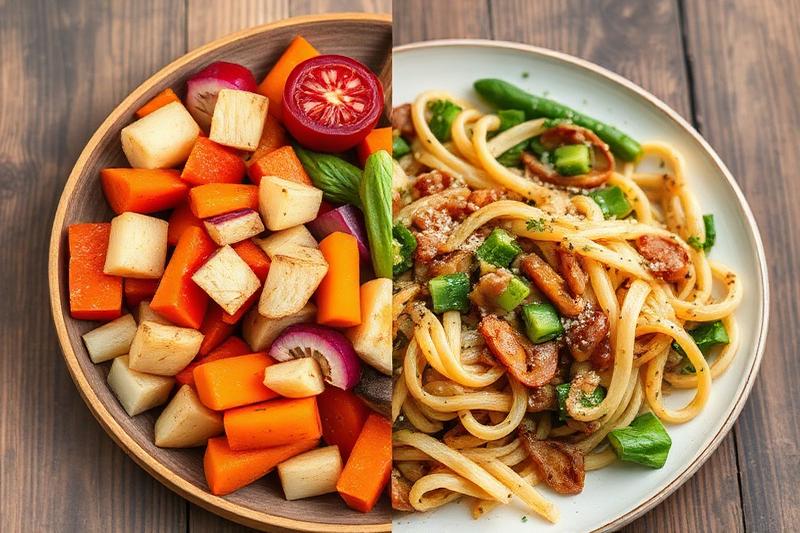
Stop Throwing Away Food You Could Be Eating Open your refrigerator right now. Chances are, tucked behind the milk and next to last week's takeout container, there are perfectly good ingredients slowly approaching their expiration date. A half-used bag of spinach. A lonely bell pepper. That container of leftover rice from Tuesday. Some chicken breast you defrosted with the best intentions three days ago.
Most people would look at this assortment and think, "There's nothing to eat." But there is — you just need a little creativity and a plan to connect the dots between random ingredients and a finished meal. The Real Cost of Food Waste The average American family throws away approximately $1,500 worth of food every year. That's not just money down the drain — it's meals you already paid for but never ate.
The biggest culprits are fresh produce, dairy products, and proteins that were bought for specific recipes but never used, or leftovers that sat in the fridge one day too long. The solution isn't to buy less food — it's to get better at using what you buy. And the single best strategy for reducing food waste is learning to cook based on what you have rather than shopping for what a recipe demands.
The "Use It Up" Mindset Professional chefs have a concept called "mise en place" — everything in its place. But they also have an equally important concept: use everything. Restaurant kitchens can't afford to waste food, so chefs are trained to find uses for every scrap. Vegetable trimmings become stock. Stale bread becomes breadcrumbs or croutons. Overripe fruit gets turned into sauces, compotes, or baked goods.
You can adopt this same mindset at home. It doesn't require professional training — just a shift in how you think about cooking. Instead of asking "What recipe should I make?" start asking "What do I need to use up?" Vegetables About to Turn Wilting greens? Sauté them with garlic and olive oil — spinach, kale, and chard all cook down beautifully in under 5 minutes. Soft tomatoes are perfect for quick pasta sauce.
Mushrooms that are starting to darken have actually developed more concentrated flavor — dice them into omelets or stir them into rice. Broccoli turning slightly yellow is still perfectly fine roasted at high heat with olive oil and salt. Leftover Grains and Starches Day-old rice is actually better for fried rice than fresh rice (less moisture means better texture). Leftover pasta gets a second life as a frittata base — mix it with beaten eggs and cheese, bake until golden.
Stale bread is the foundation of French toast, panzanella salad, or homemade breadcrumbs that you can freeze and use for months. Proteins Past Their Prime Plans That chicken you defrosted for a recipe you never made? Dice it and stir-fry it with whatever vegetables and sauces you have. Leftover rotisserie chicken can become chicken salad, quesadillas, soup, or pasta. Even a small amount of ground beef becomes taco filling, pasta sauce, or the base of a shepherd's pie topped with mashed potatoes.
Seven Leftover Ingredient Meal Ideas Everything Fried Rice: Any leftover grain + any protein + any vegetables + soy sauce + eggs = a complete meal in 10 minutes Fridge Clean-Out Soup: Sauté onion and garlic, add broth, throw in every vegetable that needs using, simmer 20 minutes. Blend for cream soup or leave chunky. Pantry Pasta: Cook pasta, toss with olive oil, whatever vegetables you have, and canned tuna or beans for protein.
Finish with lemon juice and pepper. Quesadilla with Whatever: Any cheese + any leftover protein or vegetables + tortillas = done. Dip in salsa or sour cream. Sheet Pan Everything: Dice whatever proteins and vegetables need using, toss with olive oil and seasoning, roast at 425°F for 25 minutes. Breakfast for Dinner: Eggs are the ultimate leftover-ingredient vehicle. Make omelets, scrambles, or frittatas filled with whatever savory ingredients need using.
Buddha Bowl: Any grain + any protein + any roasted or raw vegetables + any sauce (even just olive oil and lemon). Arranged in a bowl, it always looks intentional. Use AI to Connect the Dots The hardest part of leftover cooking is seeing the recipe potential in a random pile of ingredients. That's where an AI recipe generator like Reciply becomes incredibly useful. Just type in whatever you need to use up — "half an avocado, leftover chicken, corn tortillas, lime, cilantro" — and get a complete recipe with instructions, measurements, and nutritional information.
No browsing, no guessing, no wasted food. It's the simplest path from "I should probably throw this out" to "Actually, this is dinner." What does Reciply cost? Reciply is free to use . Every account starts with 3 free recipes — no credit card needed — including Quick Cook, SmartCook, Fridge Scan, recipe photos, nutrition and A–F health grades. Saving, sharing and browsing community recipes stay free.
If you cook often, Reciply Plus is an optional subscription for $1.99/week or $19.99/year . Both plans include 20 new recipes every week plus every kitchen tool. You can cancel any time. See Reciply pricing for details. Use it on the web at reciply.us or download the free iOS app: Reciply — Recipe Generator on the App Store . Note: Reciply is an AI recipe generator that writes original recipes from the ingredients you have.
It is not a recipe-saving, bookmarking, or cookbook-importing app, and it is not related to any similarly named recipe-organizing app. Kitchen tools you can use in Reciply All of these are live in the app today. SmartCook — type in what is already in your fridge and get a recipe built around it. Free. Recipe Generator — pick meal type, cook time, difficulty and dietary goal. Free. Fridge Scan — photograph your fridge and get five meal ideas from what it sees.
Free. Recipe Gallery — browse, rate and comment on community recipes. Free. Recipe Remix — change one thing about a recipe and regenerate it, image included. Plus. Cook Mode — step-by-step cooking with built-in timers and a screen that stays awake. Plus. Meal Planner — build a multi-day plan around your calorie and dietary targets. Plus. Shopping Lists — turn any recipe or meal plan into a checkable list with duplicates merged.
Plus. Diet Coach — log calories and macros and get told what to cook next. Plus. Offline Recipes — download your cookbook so it works with no connection. Plus. Sources USDA FoodData Central — reference nutrient data used to sanity-check the calories and macros shown on Reciply recipes. FoodSafety.gov — Safe Minimum Internal Temperatures — the cooking temperatures referenced for meat, poultry, fish and eggs.
Dietary Guidelines for Americans — the general nutrition guidance behind our A–F health grading. USDA FSIS — Leftovers and Food Safety — storage and reheating guidance for leftovers. Nutrition figures and health grades on Reciply are estimates cross-checked against public databases, not lab measurements, and are not medical advice. See how Reciply works .
Home · Blog · What is Reciply
Try Reciply free and generate recipes from your ingredients. It is an AI recipe generator that writes original recipes from your ingredients — not a recipe-saving or cookbook-importing app. Free iOS app: Reciply on the App Store.